Antenna Up, Mic On: The Neighbors Turning Garages Into Radio Stations for the Rest of Us
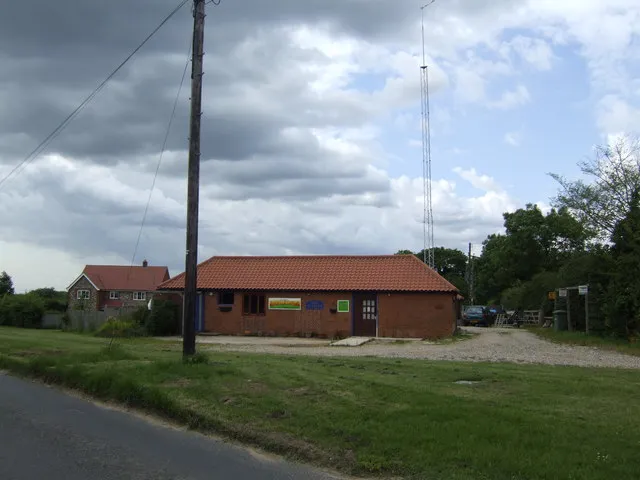
Photo: Jonathan Billinger, CC BY-SA 2.0, via Wikimedia Commons
The Signal Most Stations Stopped Sending
Somewhere in Decatur, Illinois, a retired mail carrier named Darnell runs a two-hour Sunday morning show out of a converted utility room off his garage. He plays gospel cuts from the 1960s, reads local obituaries on air, and takes calls from neighbors who just want to talk about what's going on down the street. His transmitter cost him about four hundred dollars. His listener count? Somewhere between eighty and three hundred, depending on who you ask and what the weather's doing to the signal.
By every metric that matters to a corporate programmer, Darnell's operation is a non-event. By every metric that matters to his neighborhood, it might be the most important thing on the radio.
This is the quiet, unglamorous, genuinely exciting world of micro-broadcasting — and it's growing faster than most people realize.
What Low-Power FM Actually Means
Low-power FM, or LPFM, is a class of radio license the FCC created back in 2000 specifically to give community organizations, nonprofits, schools, and local groups access to the airwaves without competing against the big commercial players. These stations broadcast at 100 watts or less, which sounds tiny until you realize that 100 watts can cover a radius of several miles in a flat, open area — enough to reach an entire small town or a dense urban neighborhood.
The licensing process isn't instant, and it's not free of paperwork, but it's more accessible than most people assume. The FCC opened new application windows in 2013 and has continued to refine the process. Hundreds of LPFM stations are now operating legally across the US, run by churches, neighborhood associations, immigrant community groups, high schools, and yes — families who just decided one day that somebody needed to do this.
Beyond traditional FM, internet radio has removed almost every remaining technical barrier. With a decent USB microphone, free broadcasting software like BUTT or Mixxx, and a streaming host that costs less than a Netflix subscription, anyone can be on the air globally within an afternoon. The reach is theoretically unlimited. The audience, at least at first, is usually your block.
Breaking Through the Technical Wall (It's Lower Than You Think)
For a lot of aspiring micro-broadcasters, the biggest obstacle isn't equipment or licensing — it's the belief that radio is somehow complicated. It isn't, at least not at the entry level.
Families getting into this space tend to describe a similar learning curve: a few weeks of watching YouTube tutorials, a weekend of trial and error, and then a sudden moment where the signal goes out and someone a mile away actually hears it. That moment, by all accounts, is addictive.
Community organizations like REC Networks have spent years helping aspiring LPFM operators navigate the FCC application process, and the documentation they've made publicly available is genuinely useful. Online forums dedicated to DIY radio are active and welcoming. The barrier isn't technical knowledge — it's just getting started.
That said, operating an FM transmitter without a license is still a federal issue, and the FCC does enforce its rules around unlicensed broadcasting. The key distinction here is between the growing number of people doing this the right way — applying for LPFM licenses, staying within legal power limits, working within the system — and the older tradition of pirate radio, which carries real legal risk. Most of the families and community groups driving today's micro-broadcasting movement are squarely in the legal lane, and they're proud of it.
What Gets Said When Your Neighbors Control the Mic
Here's the thing about hyper-local radio that no algorithm can replicate: it knows things. It knows which roads are closed because of the parade. It knows that the tamale lady is back at the farmers market after her surgery. It knows that the high school jazz band has a concert Thursday and they're actually pretty good this year.
In communities where local newspapers have folded and the nearest commercial radio station is forty miles away playing the same syndicated morning show as every other market in the country, that kind of knowledge isn't trivial. It's connective tissue.
In rural communities especially, micro-broadcasters are filling voids that used to be occupied by local AM stations that have since been swallowed up, automated, or simply abandoned. A family in western Kansas running a weekend internet radio show about agricultural life isn't just entertaining — they're archiving a way of life and keeping people in touch across distances that can feel isolating.
In cities, the dynamic is different but the need is just as real. Immigrant communities running LPFM stations in their native languages are giving first-generation Americans a place to hear news, music, and conversation that reflects who they actually are. That's not a niche use case. That's a lifeline.
The FCC and the Future of the Small Signal
The relationship between micro-broadcasters and the FCC has evolved considerably over the past two decades. The original LPFM rules were shaped partly by pressure from commercial broadcasters who didn't love the idea of competition, even at 100 watts. Those restrictions have loosened over time, and advocates argue there's room for further reform.
The current FCC application window system means there are periods when new LPFM licenses are available and periods when they're not, which can be frustrating for communities trying to get on the air. Advocacy groups continue to push for more frequent windows and a streamlined process for groups that are clearly operating in good faith for community benefit.
Internet radio, meanwhile, operates largely outside FCC jurisdiction for the broadcast itself, though music licensing through organizations like ASCAP, BMI, and SoundExchange is still required for stations playing copyrighted material. Many micro-broadcasters navigate this by focusing on original content, public domain recordings, or music from local artists who are happy to get any airplay at all.
Why This Matters Right Now
Radio consolidation in the US has been dramatic. A handful of large companies now own the majority of commercial stations, and the result is a medium that sounds increasingly the same no matter where you tune in. Voice-tracked DJs, syndicated content, and playlist automation have stripped out the local texture that once made radio feel like a place rather than a product.
What the garage broadcasters and LPFM operators are doing isn't just filling a gap — they're making an argument about what media is supposed to do. Media, at its best, connects people to each other and to the place they share. It reflects a community back to itself. It makes people feel seen.
Darnell in Decatur gets that. So does the family in rural Oregon running a Saturday night country show, and the community group in Houston broadcasting in Vietnamese, and the teenagers in rural Appalachia who started a metal show because nobody else was going to.
The signal is small. The idea behind it is not.
If you're curious about starting something like this in your own community, REC Networks (recnet.com) is a solid first stop for LPFM information. For internet radio, the learning curve starts with a search and a willingness to just hit record.