Grain, Grit, and Genuine: The Small-Town Filmmakers Choosing Film Stock Over Followers
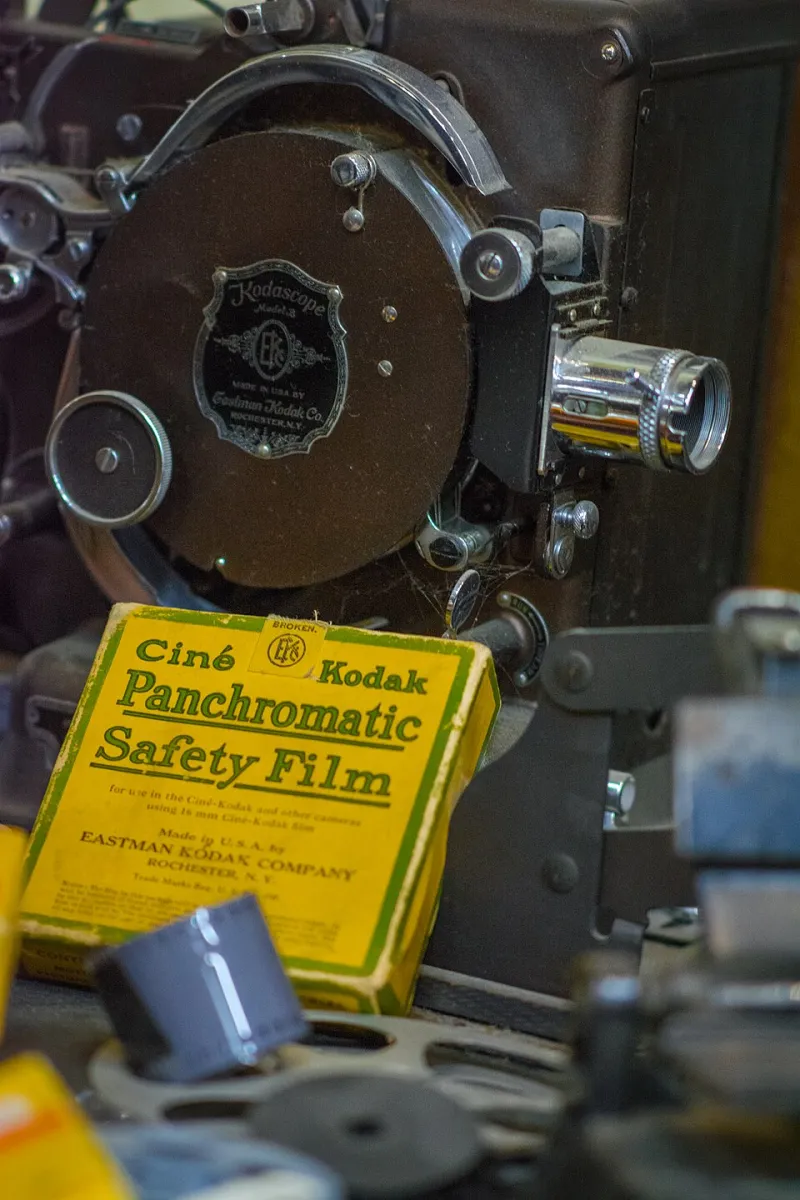
Photo: Ethanmlong, CC BY-SA 4.0, via Wikimedia Commons
Somewhere in a repurposed grain elevator in central Nebraska, about sixty people are sitting on folding chairs watching a flickering projection of their own town. The film is grainy, the color is warm and slightly imperfect, and the audio has just enough ambient hiss to remind you that something real was captured here. Nobody is scrolling. Nobody is checking their phone. And when the lights come back up, a few people are quietly wiping their eyes.
This is not a film festival. There is no red carpet, no submission fee, no algorithm deciding who gets to see it. It's just a community watching itself — through the deliberate, unhurried eye of a 16mm camera operated by someone who grew up right down the road.
That scene is playing out in more places than you might expect. A quiet but unmistakable movement is taking shape in small-town America, one where independent documentary makers are consciously stepping away from digital-native platforms and returning to analog filmmaking as an act of both artistic choice and cultural resistance.
Why Analog, Why Now
It might seem counterintuitive. We live in an era where anyone with a smartphone can shoot, edit, and distribute a documentary to a global audience in a single afternoon. So why are filmmakers in places like Harlan, Iowa, or Taos, New Mexico, loading 400-foot rolls of Kodak Vision3 into cameras that were manufactured before most of their subjects were born?
The answer, according to the people doing it, is almost always the same: intentionality.
When you're shooting on film, every single frame costs money and thought. You can't just roll endlessly and sort it out in post. You have to be present. You have to decide what actually matters before you press the shutter. That discipline changes the way you look at a story — and it changes the way the story looks back at you.
There's also something about the physical nature of the medium that resonates with communities whose own histories are tactile and material. A farming family's story told on film feels different from the same story told in a polished YouTube doc with a trending soundtrack. The grain in the image mirrors something real about the grain in the soil. That's not just romantic — audiences feel it.
Collectives Over Algorithms
What makes this movement particularly interesting from a community standpoint is that most of these filmmakers aren't working alone. They're organizing in loose collectives, sharing equipment, pooling skills, and building small but deeply loyal local audiences.
Groups like the Flint Hills Film Collective in Kansas and similar outfits scattered across Appalachia and the rural Midwest operate more like community organizations than production companies. Membership often overlaps with local historical societies, public libraries, and arts nonprofits. Some of these collectives have formal structures with boards and bylaws. Others are held together by nothing more than a shared hard drive and a group chat.
What they have in common is a rejection of the metrics-first mentality that dominates digital media. Nobody in these circles is optimizing their thumbnail or worrying about the first 30 seconds of retention. The question they're asking is simpler and, honestly, a lot harder: does this film serve the people it's about?
That question shapes everything — from how subjects are interviewed to where the finished work is screened. Many of these collectives have a standing policy that their films are shown in the community they document before they go anywhere else. If they go anywhere else at all.
The Screening as Event
The exhibition side of this movement is just as interesting as the production side. These filmmakers aren't uploading to Vimeo and calling it a day. They're organizing actual screening events — and those events have become genuine community gatherings in their own right.
Libraries have been a natural home. A lot of public libraries, especially in smaller towns, have been looking for ways to become more of a community hub and less of just a book warehouse. Hosting a film screening about local history checks a lot of boxes for them. It draws people in who might not otherwise come through the door, and it creates a conversation that keeps going long after the projector shuts off.
But libraries are just the beginning. Barn screenings have become something of a signature format for several rural collectives. There's something about watching a film about your county's agricultural heritage while sitting inside a working barn that creates a kind of immersive experience no streaming platform can replicate. Community centers, VFW halls, school gymnasiums, and even the occasional drive-in have all served as venues.
The screenings tend to include Q&A sessions with the filmmakers and, when possible, the subjects themselves. That live element transforms a documentary into a dialogue. People who appear in the film sit in the audience and watch their neighbors react to their stories in real time. That's a fundamentally different experience from posting something online and waiting for comments to roll in.
What Gets Preserved
The subjects these collectives are drawn to are telling in themselves. These aren't films about celebrities or viral moments. They're about the last family running a particular kind of farm. The woman who's been cutting hair in the same shop for 47 years. The volunteer fire department that doubles as the social backbone of a town of 800 people. The high school marching band that's been playing the same fight song since 1962.
These are stories that would never trend. They would never get the algorithmic boost that comes from controversy or novelty or mass relatability. But they are exactly the kinds of stories that disappear without someone deciding they're worth the trouble of preserving.
And film, it turns out, is a remarkably durable preservation format. Properly stored 16mm can last over a century. The same cannot be said for a TikTok account or a YouTube channel that depends on a corporation's continued interest in hosting it.
There's a quiet archival mission running underneath the artistic one. A lot of these filmmakers are thinking generationally. They want the people in these towns to be able to show their grandchildren what things looked and sounded like. That's a different ambition than going viral. It's a longer game, and in a lot of ways, a more serious one.
Connecting Communities, Frame by Frame
What the NEPV community recognizes in this movement is something familiar: the idea that culture is built by people who show up for each other, not by platforms that profit from their attention. These filmmakers are doing the slow, unglamorous work of stitching communities together through shared story — one carefully exposed frame at a time.
The grain in the image isn't a flaw. It's a signature. It's proof that a human being was standing in a specific place, in a specific light, paying attention to something worth remembering. In a media landscape that increasingly rewards speed and scale, that kind of deliberate presence is starting to feel almost radical.
And judging by the people sitting on those folding chairs in Nebraska — still talking, still lingering, long after the projector goes dark — it's working.