Attic Treasure Hunters: The Everyday Americans Racing to Save Family History Before It Fades
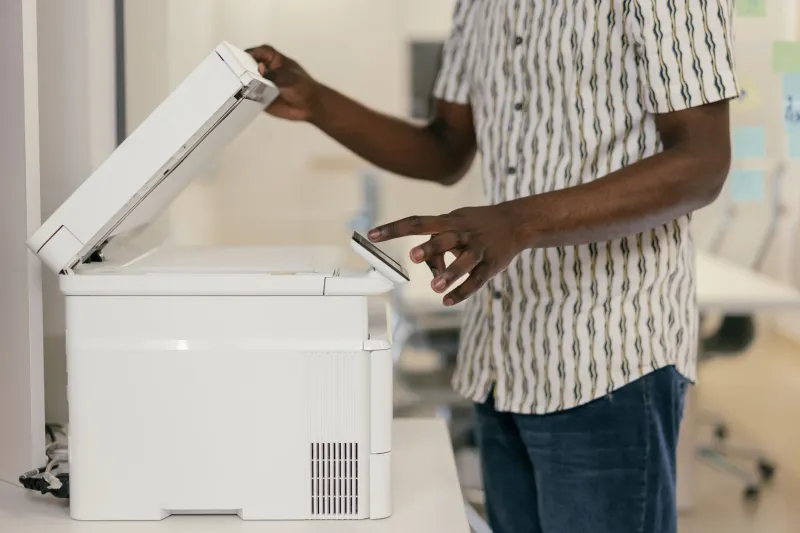
Somewhere in a suburb outside Columbus, Ohio, a retired schoolteacher named Marlene has been spending her Saturday mornings the same way for the past two years. She clears the kitchen table, sets up a flatbed scanner she bought for under a hundred dollars, and starts working through a shoebox of photographs that once lived in her mother's closet. Some are labeled. Most aren't. All of them matter.
"I kept telling myself I'd get to it eventually," she says. "Then my aunt passed, and there was nobody left who could tell me who half these people were. That scared me into actually doing something."
Marlene isn't a librarian or an archivist by training. She's just someone who decided the stories in those shoeboxes deserved better than a slow fade in a basement. And she's far from alone.
A Movement That Lives in the Margins of Daily Life
Across the United States, a loose but growing community of ordinary people is quietly taking on the work of preserving family history — not through formal institutions, but through kitchen tables, spare bedrooms, and a surprisingly accessible toolkit of affordable technology. They're scanning slides and negatives. Transcribing handwritten letters. Tagging names and dates in free photo management software. Building digital archives that can be shared with cousins three states away or grandchildren not yet born.
For most of them, the entry point was loss — or the fear of it. A water-damaged album. A relative who passed before the stories could be recorded. A house cleanout that forced impossible decisions about what gets kept and what gets thrown away.
The tools that make this possible have gotten remarkably accessible. Entry-level flatbed scanners capable of handling photos and documents run anywhere from $80 to $200. Apps like Google PhotoScan help capture prints without glare. Open-source software like digiKam and even free tiers of services like Mylio or Flickr let people organize and tag thousands of images without spending a dime. Online communities — subreddits, Facebook groups, Discord servers — have become informal training grounds where beginners learn from people who've already figured out the hard parts.
What's Actually in Those Boxes
Ask anyone who's started this process and they'll tell you: you never really know what you're going to find.
There's the expected stuff — birthday parties, holiday gatherings, school portraits with haircuts that tell you exactly what decade you're looking at. But then there are the surprises. A great-grandmother's immigration documents. A letter from a soldier that somehow survived seventy years in a coffee tin. A photograph of a house nobody in the family knew existed, in a town nobody knew anyone had lived in.
For many families, especially those whose histories were shaped by migration, displacement, or systemic exclusion from official record-keeping, these personal archives are the only documentation that exists. The family shoebox isn't a supplement to history — it is the history.
That weight isn't lost on the people doing this work. "I started thinking of myself as a steward," says a man in rural Tennessee who's been digitizing his family's records for three years, working through materials that stretch back to the early 1900s. "These aren't just my memories. They belong to people who aren't here to take care of them."
The Hard Questions Nobody Talks About
Preservation sounds simple until you're actually doing it, and then the questions start piling up fast.
What do you do with photographs of people nobody can identify? Do you label them "unknown" and keep them, or does an unidentified face eventually just become clutter? What about documents that reveal painful things — estrangements, secrets, histories people actively chose not to pass down? Who decides what gets digitized and what stays in the box?
These aren't abstract philosophical puzzles. They're decisions that real people are making in real time, often alone, often without any formal guidance.
Some community archivists lean toward saving everything and letting future generations decide what's meaningful. Others are more selective, prioritizing materials that have clear documentary value or strong family connections. Neither approach is wrong, exactly — but both require a kind of intentionality that most people never expected to need when they dragged a box out of the attic.
Libraries and historical societies have started to notice this grassroots energy. Some are offering free workshops on digitization basics. Others have launched lending programs for high-quality scanners. A handful of community organizations — exactly the kind of nonprofits and membership groups that NEPV's own network celebrates — have built informal training pipelines, pairing experienced volunteer archivists with families just getting started.
Sharing the Work, Sharing the Story
One of the most meaningful shifts happening in this space is the move from solo project to community effort. Families are organizing "scanning parties" — gathering around a scanner the way an earlier generation might have gathered around a quilting frame — pooling labor and knowledge to get through materials faster while keeping the storytelling alive.
"My mom sat next to me for three hours one afternoon," Marlene recalls, "and she just talked. Every time I'd hold up a photo, she'd remember something. I was scanning, but I was also recording her. I didn't even realize that was happening until later."
That's the thing about this work that doesn't show up in any tutorial: the process itself generates new memories. The act of sitting with old photographs, of asking questions and listening to answers, becomes its own kind of archive.
Shared digital collections — family Google Drives, private photo websites, even simple email threads with annotated attachments — are becoming the new family albums. They're searchable, shareable, and survivable in ways that paper never was.
Why It Matters Beyond the Family
Zoom out a little and you start to see what this movement means at a cultural scale. When families preserve their own records, they're filling in gaps that official archives never could. They're documenting lives that weren't considered historically significant by the institutions that decided what got saved. They're building a richer, more honest picture of what American life actually looked like across generations.
That's a community act as much as a personal one. And it's exactly the kind of work that doesn't make headlines but quietly shapes how we understand who we are and where we came from.
Marlene is still working through her shoeboxes. She figures she's got another year's worth of Saturday mornings ahead of her. When she's done, she plans to share the full archive with every branch of the family she can find — cousins she's never met, relatives in other states who didn't even know these photographs existed.
"Somebody took these pictures because they thought they mattered," she says. "The least I can do is make sure they actually last."
That's the whole project, really. One scan at a time.