No Price Tags, No Problem: The Americans Rebuilding Community One Trade at a Time
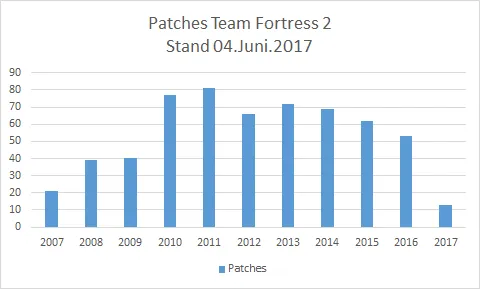
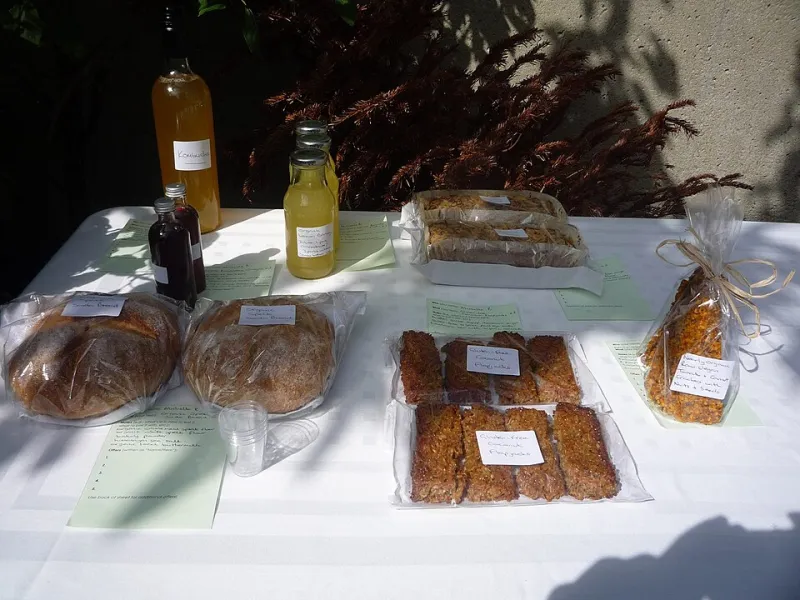
Photo: FKTest, CC BY-SA 4.0, via Wikimedia Commons
Somewhere in a church fellowship hall in Knoxville, Tennessee, a muralist is getting her first guitar lesson. She traded three hours of wall painting for it. Across the room, a retired schoolteacher is walking away with a bag of dried heirloom beans she's never grown before, having offered up a two-hour storytelling workshop in exchange. Nobody spent a dime. Everybody left richer.
This is what a skill-sharing swap meet looks like in 2025, and they're happening a lot more often than you might think.
From Flea Markets to Something Bigger
The concept of swapping isn't new — Americans have been trading livestock, seeds, and labor since before there was a United States to speak of. But what's emerging right now feels different. It's less about stuff and more about what people know, what they can do, and what they're willing to share. The current wave of cultural exchange events is rooted less in nostalgia and more in a genuine hunger for connection that the internet, for all its convenience, just hasn't been able to satisfy.
Organizers across the country are calling these events by different names — skill swaps, culture fairs, talent markets, mutual aid meetups — but the structure tends to follow the same basic logic. You show up with something to offer, whether that's a skill, a piece of art, a batch of homegrown produce, or an afternoon of your time. You find someone with something you need. You negotiate a trade. You go home having made a new friend in the process.
Simple? Sure. But the ripple effects are anything but.
What People Are Actually Trading
Talk to enough swap meet regulars and you start to notice patterns in what flows through these exchanges. Creative skills are huge — graphic designers trade logos for catering help, photographers swap portrait sessions for furniture repairs, and amateur musicians offer lessons in exchange for someone to help them record a demo track. The arts economy, which has always operated partly on favors and informal trade, is finding a more organized home in these gatherings.
But it goes well beyond the creative class. Gardeners bring seeds — often rare, regional varieties that you simply cannot find at a big-box store — and trade them for canning tutorials, fermentation workshops, or just a few hours of someone else's labor in the garden. Home cooks share recipes and cooking demos in exchange for language lessons. Veterans of trades like woodworking, electrical work, or plumbing offer their expertise in return for things they need but can't easily pay for right now.
There's also a cultural dimension that doesn't always get talked about. In communities with large immigrant populations, these swap meets become genuine cultural exchanges. A woman from Oaxaca teaches traditional embroidery techniques; in return, she gets help navigating local bureaucracy from someone who grew up here. A Somali family shares cooking traditions alongside a meal; their neighbors offer English conversation practice. These aren't transactions. They're relationships.
The Organizing Backbone
None of this happens by accident. Behind most successful swap meets is a small, dedicated group of organizers — often volunteers working through a local nonprofit, mutual aid collective, or community association — who handle logistics, spread the word, and make sure newcomers feel welcome. Many of these organizers are explicit about the values driving their work: they want to build a parallel economy that doesn't depend on who has the most money in the room.
"We made a conscious decision early on that this couldn't just be for people who already have disposable income," says one organizer running a monthly swap in a mixed-income neighborhood in Columbus, Ohio. "If the only people who show up are people who could afford to just buy what they need anyway, then we've missed the point entirely."
That means active outreach to communities that have historically been left out of arts and culture spaces — low-income residents, elderly neighbors, recent immigrants, people without reliable transportation. Some groups offer childcare during events. Others provide translation. A few have set up simple online matching systems so people can arrange trades ahead of time, reducing the anxiety of showing up somewhere new and not knowing how to start.
Why It's Catching On Now
It would be easy to point to economic pressure as the main driver — and sure, when prices are high and wages feel stuck, finding ways to get things without spending money makes obvious sense. But organizers and participants alike will tell you the appeal runs deeper than that.
There's a growing exhaustion with the transactional nature of modern life. Every interaction mediated by an app, every relationship filtered through a rating system, every moment of help reduced to a five-star review. Swap meets offer something that feels almost radical by comparison: direct human exchange, no platform taking a cut, no algorithm deciding who gets seen.
"I've been to a lot of these events now and the thing that always gets me is how long people stay," says a community arts organizer in Portland, Oregon. "Nobody's rushing out. They're talking, they're teaching each other things on the spot, they're making plans to follow up. You don't see that at a farmers market or a craft fair where everyone's there to sell."
For younger participants especially — the Gen Z and millennial crowd who grew up online but are increasingly craving offline connection — these gatherings scratch an itch that social media simply cannot reach. You can't trade a guitar lesson through Instagram. You can't share a seed packet over TikTok. Some things still require you to show up in person.
What Gets Built in the Exchange
Ask anyone who's been attending swap meets regularly and they'll tell you the trades themselves almost become secondary. What you're really building, over time, is a web of people who know each other, owe each other small favors, and feel genuinely invested in each other's wellbeing. That's not nothing. In a country where surveys consistently show that loneliness is at epidemic levels, it might actually be everything.
Community organizations that have embraced this model are finding that swap meets become natural on-ramps to deeper involvement. People who come once to trade a skill come back the next month. They start volunteering. They join committees. They bring their neighbors. What begins as a clever workaround for economic pressure evolves into something that looks a lot like civic life.
The cultural exchange piece matters too. When a neighborhood's artists, gardeners, teachers, craftspeople, and storytellers are regularly in the same room, sharing what they know, the culture of that place gets richer. Not in a way that shows up on any economic dashboard, but in a way that residents feel.
No app required. No price tag attached. Just neighbors, showing up with something to offer.
NEPV Entertainment Network covers the cultural movements, creative communities, and grassroots stories that connect us. Find more at nepv.org.