The Neighbor Who Taught You to Code, Weld, or Bake Sourdough: America's Backyard Education Revolution

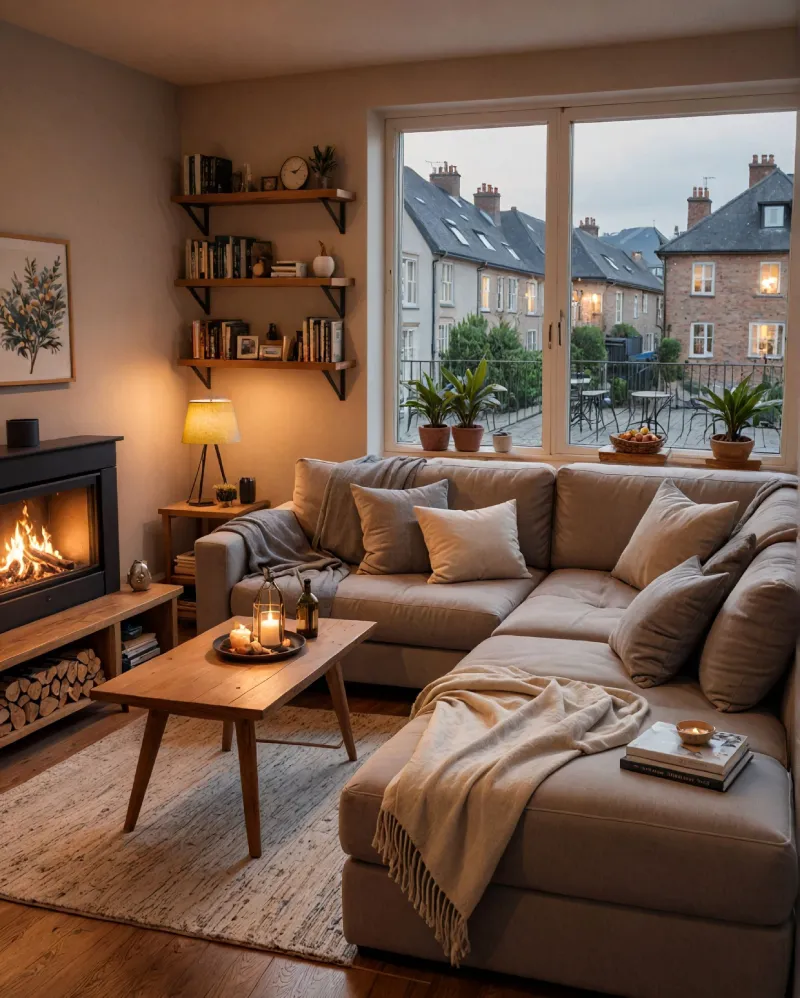
Photo: neighbors learning together kitchen table workshop informal teaching, via i.pinimg.com
When the Classroom Is Three Houses Down
Somewhere in Akron, Ohio, a retired electrician named Gerald has been running a basic home wiring workshop out of his garage every other Saturday for the past two years. He charges nothing. He asks only that attendees bring a snack and, if they ever figure it out, pass the knowledge along to someone else. Last fall, eleven people showed up. Two of them were in their twenties. One was a grandmother who'd been getting quoted absurd rates by contractors every time a light switch failed.
Gerald's setup isn't unique anymore. It's part of a quiet but unmistakable wave rolling through neighborhoods from rural Tennessee to the outer boroughs of New York City — a grassroots learning movement built on the radical idea that your neighbors might be better teachers than the systems most of us grew up inside.
What Traditional Education Left on the Table
Let's be honest about something: the American education system was never really designed to teach people how to live. Shop class got gutted. Home economics disappeared. Vocational programs became underfunded afterthoughts in districts that couldn't afford to keep the lights on in the science wing. The result? Millions of adults who can analyze a Shakespeare sonnet but have absolutely no idea how to negotiate a lease, fix a leaking pipe, or write a basic budget.
That gap didn't go unnoticed. Community organizations, neighborhood associations, and plain old concerned citizens started filling it — not with formal curricula or credentialed instructors, but with folding tables, shared tools, and a willingness to just show up and figure things out together.
For a network like NEPV, which has spent years documenting how communities use culture and story to connect, these kitchen table classrooms feel like a natural extension of the same impulse. People want to belong somewhere. Learning together, it turns out, is one of the fastest ways to make that happen.
Who's Actually Running These Things
The organizers of these micro-learning circles are a genuinely eclectic bunch. There's no single profile.
In Portland, Oregon, a UX designer named Marisol hosts monthly coding tutorials for women over forty who feel intimidated by tech but are tired of being locked out of better-paying work. She started with four people around her dining room table. She now runs two sessions a month and has a waitlist.
In a suburb outside Memphis, a woodworking enthusiast named Darnell converted his basement into a functional workshop and started offering Saturday morning sessions for teenagers in his neighborhood. His pitch was simple: come learn how to make something with your hands. The response surprised even him. Parents started showing up alongside their kids.
And in a small apartment complex in Minneapolis, a rotating cast of residents has organized what they call a "life skills swap" — a monthly gathering where someone teaches something practical. Last month it was sourdough bread. Before that, basic car maintenance. Next month, someone's teaching introductory Spanish for people who work in healthcare.
What these organizers share isn't credentials. It's the conviction that knowledge hoarded is knowledge wasted.
The Social Architecture of Learning Together
Here's something researchers in education and community development have known for a while, even if the mainstream conversation hasn't caught up: learning in small, trust-based groups produces outcomes that formal classrooms often can't replicate. People ask questions they'd be embarrassed to raise in front of thirty strangers. They experiment without fear of a grade. They help each other in real time.
But beyond the pedagogical stuff, something else is happening in these spaces. People are getting to know each other. Actually know each other — not just the wave-in-the-driveway kind of knowing, but the kind where you understand what someone's struggling with, what they're proud of, what they want their life to look like.
In an era when the Surgeon General has declared loneliness a public health crisis, that's not a small thing. These gatherings are, in a very real sense, community infrastructure — built informally, maintained by goodwill, and surprisingly durable.
Barriers, Bumps, and What Makes It Work
None of this is without friction. Space is a genuine constraint, especially in cities where square footage is a luxury. Liability concerns occasionally spook hosts when tools or equipment are involved. And sustaining momentum past the initial excitement is harder than it looks — plenty of skill-share groups have fizzled after a few months when the founding energy wore off.
The groups that stick around tend to share a few traits. They keep it small on purpose, usually capping sessions at ten to fifteen people to maintain the informal feel. They rotate who's teaching so no single person carries the whole weight. And they treat the social element — the snacks, the side conversations, the occasional chaos — as a feature, not a bug.
Some have found light structural support through local libraries, which have increasingly become hosts for this kind of programming. Others have partnered loosely with community centers or neighborhood associations that can help with space and promotion without turning the whole thing into an institution.
"The moment it starts feeling like a class, people stop coming," Marisol in Portland said. "It has to feel like you're just hanging out and learning something cool. That's the whole point."
A Different Kind of Curriculum
What gets taught in these spaces says a lot about what people feel they've been denied. The most popular topics — financial literacy, home repair, cooking from scratch, basic coding, first aid, gardening, small engine repair — aren't glamorous. They're functional. They're the things that make life more manageable, more affordable, and a little less dependent on expensive professionals or systems that don't always have your best interests at heart.
There's something genuinely political in that, even when nobody frames it that way. Teaching your neighbor how to fix their own plumbing is, in a small but meaningful way, an act of collective self-determination.
The Lesson Nobody Planned On
Ask anyone who's been part of one of these groups for more than a few months what they've actually gotten out of it, and the answer is almost never just the skill itself. It's the people. It's knowing that the woman two streets over is a retired nurse who'll walk you through what to do if your kid has a fever and the urgent care line is an hour long. It's the teenager who learned to use a table saw and now has a confidence he didn't have before. It's Gerald's garage, where eleven people showed up on a cold Saturday morning because they wanted to learn something real from someone who actually cared whether they got it.
The education system left a lot behind. But it turns out, so did the neighborhoods. And now, slowly, people are going back to get it.